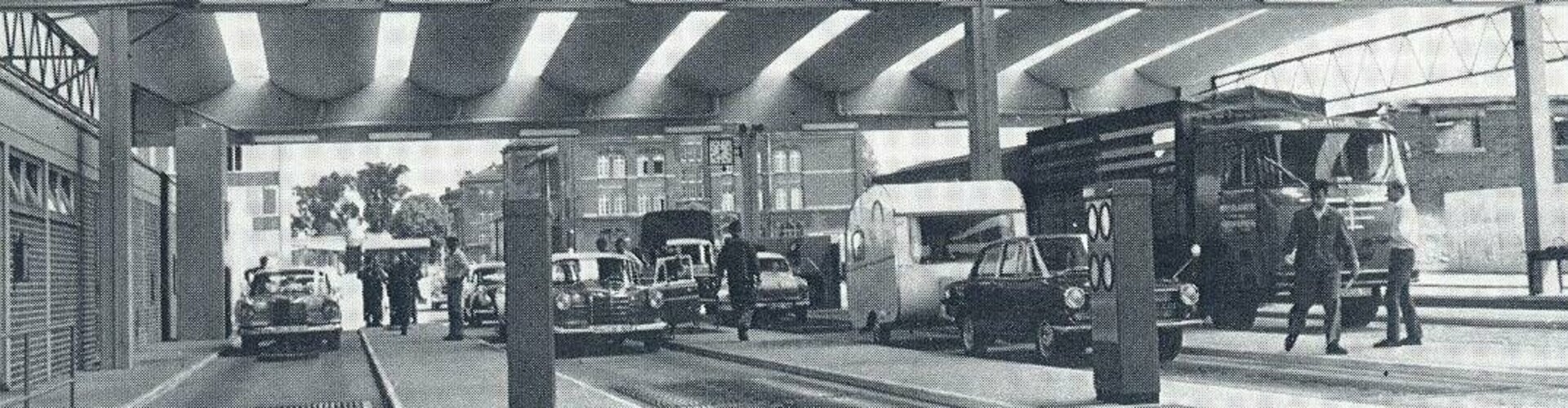
30 November 2021 - Since 1 December 1951, the periodical technical inspection of motor vehicles has been mandatory for all vehicle owners in Germany. Since then, TÜV experts have been inspecting safety and environmentally relevant components of vehicles such as brakes, tyres, lights or the exhaust system usually every two years. On the occasion of the 70th anniversary of the periodical technical inspection, Dr Joachim Bühler, Managing Director of the TÜV Association, said:
"Then as now, the periodical technical inspection makes an important contribution to road safety. Last year alone, TÜV experts sent around 100,000 vehicles with dangerous defects directly to the car repair shops and 10,000 more were so dilapidated that they had to be withdrawn from traffic immediately."
"In view of digitalisation and the increasing demands for environmental and climate protection, the periodical technical inspection must be modernised. Today's vehicles are smartphones on wheels, which are increasingly digitally controlled and collect numerous data. The correct functions of driving assistance systems such as active lane keeping assist and emergency braking systems should be checked during the periodical technical inspection throughout the entire life of a vehicle. The experts need access to safety-relevant data and the current software status of the vehicles. Only this way can they determine whether important features have changed as a result of updates and whether the vehicles are sufficiently protected against cyber attacks."
"The periodical technical inspection must also become better when it comes to the environment. The TÜV Association is campaigning for a procedure to be established for measuring nitrogen oxides (NOx) in diesel vehicles. It is important that experts have access to environmentally relevant vehicle data in order to better detect damage and manipulation of the exhaust system."